
High-potential programs are often the pride of HR teams. They appear polished on paper, with rigorous assessments, future-ready training, and carefully designed career paths. Companies invest significant budgets, leadership time, and numerous good intentions. And yet, years later, many of those “high-potentials” either plateau or quietly exit.
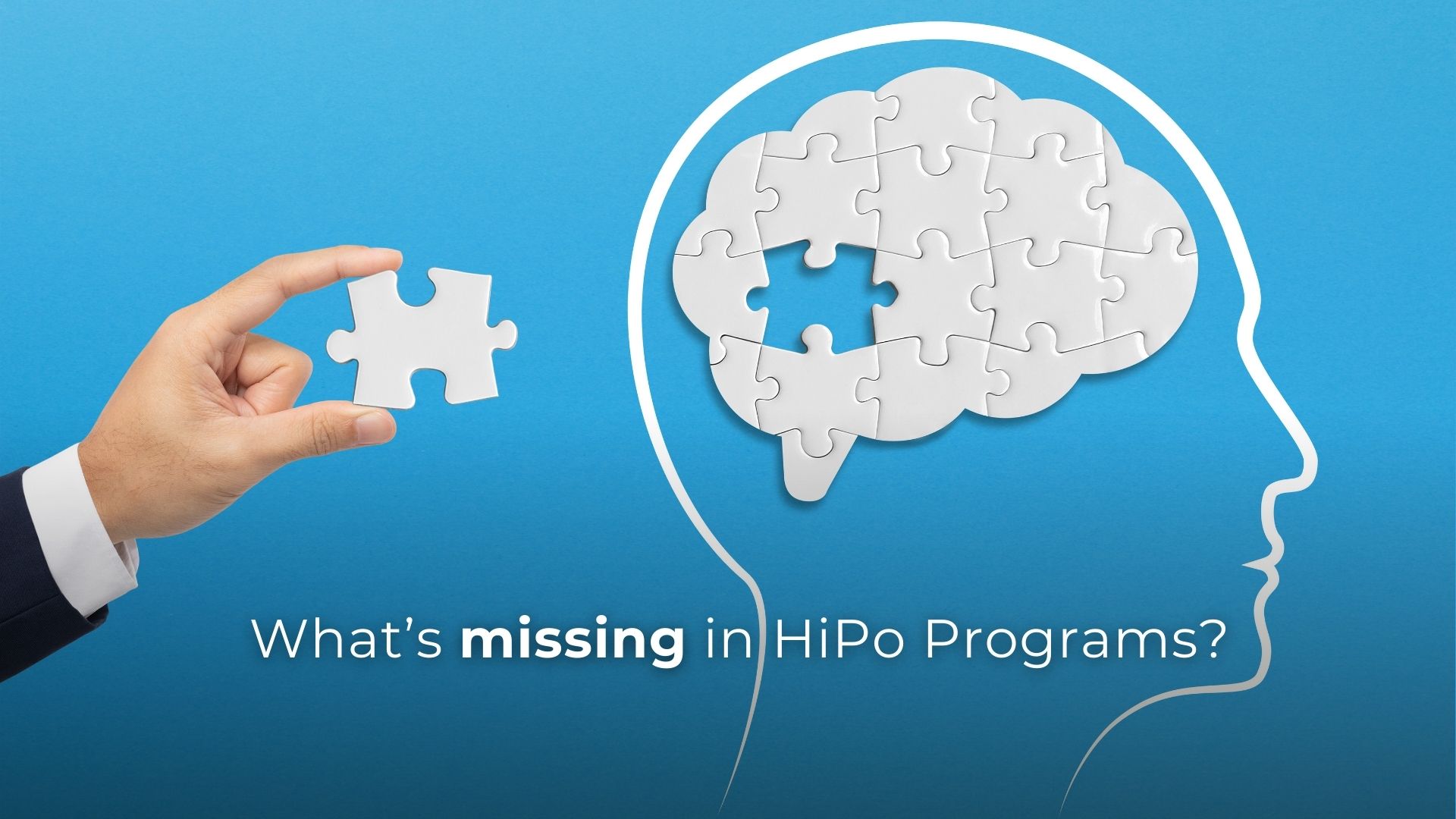
Why? Because what energises people is rarely factored in. We’re so busy measuring performance and potential in neat little boxes that we forget a crucial piece: energy sustains growth more than effort alone.
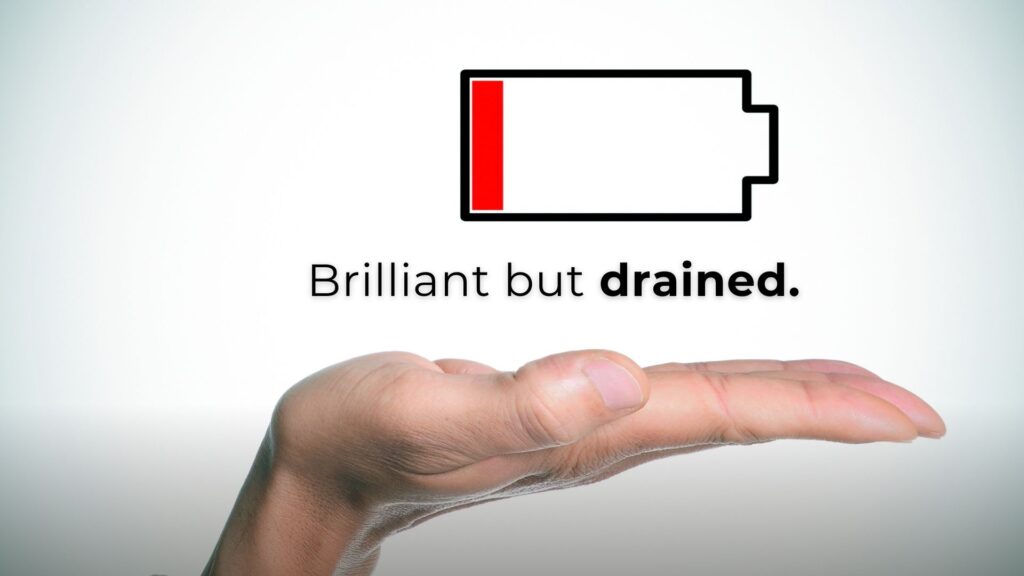
You can have a brilliant employee, but brilliance without energy feels like driving a Ferrari with an empty tank.
Performance ≠ Energy

Here’s the trap: performance reviews and potential ratings typically focus on output. Did they hit targets? Do they show leadership behaviours? Can they “scale”?
All fair questions, but none answer how that person generates their best work. A star analyst may crush numbers but leave every meeting drained, secretly wishing they were in client conversations instead. Another might light up while mentoring juniors, but look disengaged when asked to manage detailed reports.
When we confuse capability with energy, we set people up for careers that look good on paper but feel hollow in practice. And sooner or later, hollow cracks.
Why Energy Matters More Than Ever
Work isn’t getting lighter. Expectations on “high-potentials” are heavier than ever: fast-track promotions, international assignments, endless exposure. Without genuine energy, all that intensity leads to burnout, not breakthrough.
Think about it. A leader who thrives on collaboration can spend hours brainstorming, mediating, energising others and leave the room buzzing. Another who’s wired for deep analysis can spend entire weekends with data sets and feel satisfied. That’s not about skill, that’s about fuel.
And fuel matters, because leadership roles don’t just demand output. They demand resilience.
The Quiet Costs of Ignoring Energy
Here’s what happens when high-potential programs miss this:
- Shiny, but shallow growth. Promotions come quickly, but performance plateaus because the role doesn’t match what drives them.
- Disengagement in disguise. You’ll see them hitting KPIs but pulling back emotionally. It’s the “silent resignation” version for high-potentials.
- Unnecessary exits. They left not because they weren’t capable, but because the work never felt like theirs to begin with.
Many companies lose some of their brightest people this way—not to competitors, but to completely different industries, startups, or careers that finally felt alive.
Strengths-Based Leadership as an Antidote
This doesn’t mean abandoning performance metrics altogether. But imagine layering something else into your high-potential lens: What actually energises this person?
This is where Strengths-based leadership become invaluable. Instead of treating employees as blank slates to mould, these approaches highlight the natural patterns that already drive them. One person may bring relentless curiosity, another natural empathy, and another razor-sharp strategic thinking.
If a program channels these strengths, high-potentials not only perform, they sustain. Because they’re leaning on what feels natural rather than fighting their own wiring.
But Isn’t Passion Unreliable?
A common counterargument is: “Energy sounds fluffy. Passion fades. Results matter.”
Fair point. Passion alone won’t get quarterly results. But energy isn’t about fleeting excitement; it’s about noticing what activities consistently recharge rather than drain. It’s about designing roles where effort feels like flow, not friction.
Think of it like sports. A sprinter could probably run a marathon with enough training, but would it be sustainable? Probably not. Flip it around, a marathoner can sprint, but not every day. The body rebels. So does the mind.
Work works the same way.
Rethinking High-Potential Programs
So what does this mean for organisations that want to avoid this blind spot? A few ideas to consider:
- Ask about energy, not just goals. During talent reviews, go beyond “What role next?” to “What activities give them energy? Which drains them?”
- Design development with variety. Stretch assignments are great, but don’t always stretch in ways that clash with natural strengths. Stretch doesn’t have to mean struggle.
- Coach leaders to spot energy signals. Managers often mistake disengagement for poor performance when it might just be misaligned strengths. A little coaching can change that lens.
- Measure engagement alongside performance. Tools exist to track whether employees feel they’re doing what they do best every day. Use them.
The Dilemma: Scale vs. Soul
The hardest part is scale. Energy feels personal, almost bespoke. And HR leaders are under pressure to build programs that look standardised and “fair.” But fairness doesn’t mean sameness.
In fact, the fairest approach is to acknowledge difference. Some leaders thrive in structured, predictable environments. Others shine when chaos reigns. Treating both the same under a “cookie-cutter High Potential framework” doesn’t build fairness; it builds frustration.
A Gentle Reminder
If you’re an organisation designing or refreshing your high-potential strategy, here’s the reminder: don’t let your brightest people burn out in roles that drain them. Skills can be trained. Exposure can be arranged. But energy, the deep sense of “this is me”, is harder to replace once it’s gone.
And maybe that’s the blind spot. We assume capability equals sustainability, when in reality, sustainability comes from the quiet, often-overlooked truth: people grow best where they feel most alive.