
Stretching Isn’t Always a Good Thing
We’ve all heard the familiar advice: “Step outside your comfort zone.” In many organisations, stretch assignments have become almost sacred, designed to develop leaders, build resilience, and prepare employees for their next significant role.
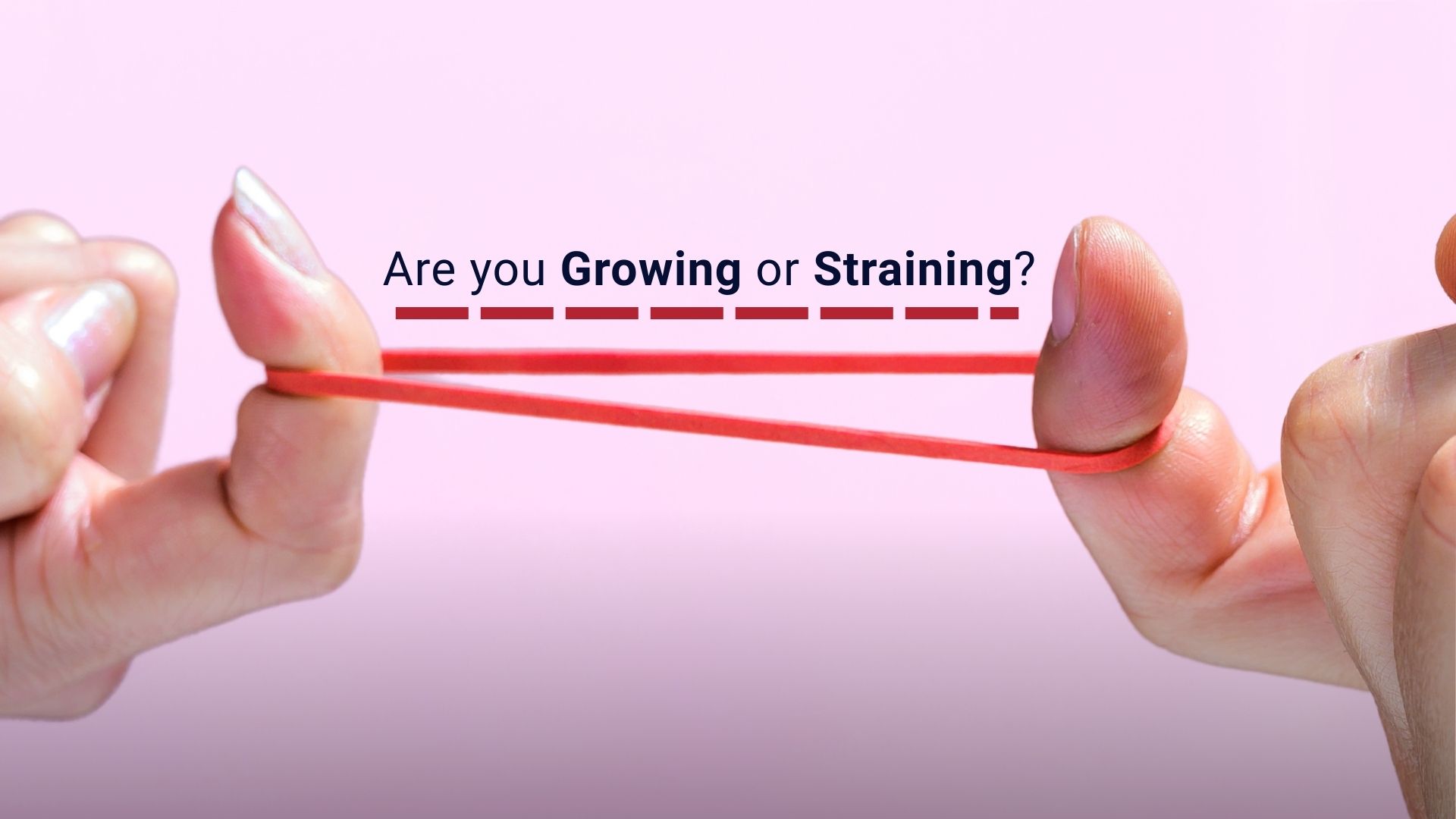
But here’s the uncomfortable truth: stretch can easily slip into strain. And strain isn’t about growth; it’s about burnout.
The tricky part? On the surface, they look the same. An employee working late, racing deadlines, juggling new responsibilities, are they in the sweet spot of challenge, or are they quietly unravelling? Too often, organisations assume it’s growth when in reality, they might be fuelling disengagement.
So, What’s the Difference?
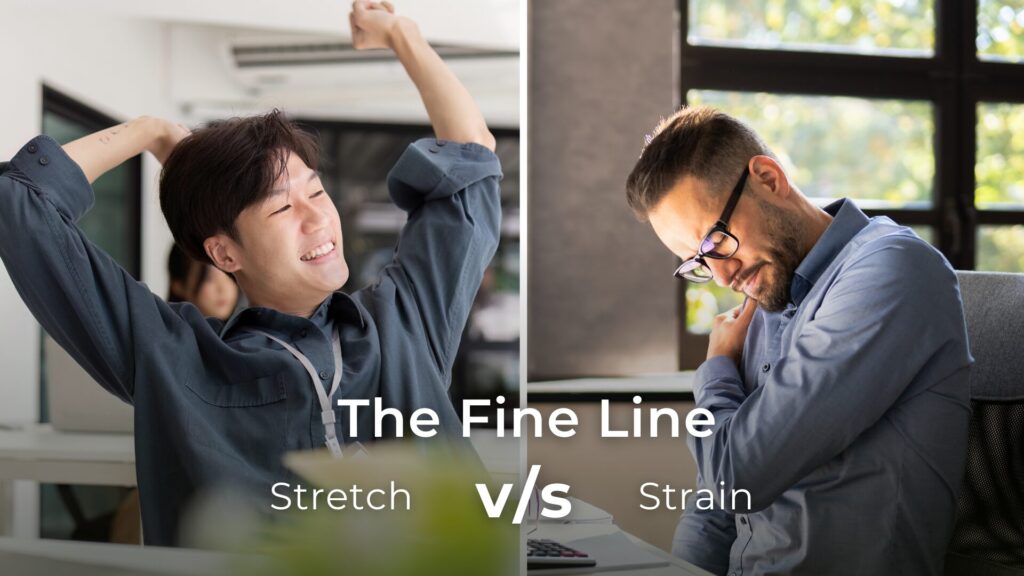
Think about exercise. A good stretch leaves you feeling limber, energised, and even proud of yourself. Strain, on the other hand, is what happens when you pull a muscle; you’re sidelined, frustrated, and worse off than before. Both involve effort, but only one builds strength.
At work, a stretch assignment should feel like effort with possibility: “This is tough, but I can see myself improving.” Strain feels different: “This is tough, and no matter what I do, I’m running on empty.”
A simple way to think about it:
- Stretch builds capacity. People leave feeling stronger and more capable.
- Strain depletes capacity. People leave questioning themselves or quietly disengaging.
Where Strengths Come Into Play
This is where a strengths-based approach makes the difference. When leaders understand what energises an employee, they can create assignments that stretch without breaking.
Imagine one employee who thrives on big-picture thinking and problem-solving. Asking them to reimagine a product roadmap could be energising, but that’s a stretch. Handing them repetitive reporting tasks for months on end? That’s strain.
Or take another employee who loves collaboration and connecting with people. Leading a cross-team initiative might fuel them. Assigning them solitary work with little interaction? That drains them.
Stretch isn’t just about difficulty. It’s about energy. And when organisations ignore energy, they turn what should be development into disengagement.
The Subtle Costs of Strain
Strain doesn’t usually make a dramatic entrance. Employees rarely declare, “This assignment is breaking me.” More often, they keep showing up, meeting deadlines, and smiling in meetings, but slowly, they disconnect.
The signs show up quietly:
- Deadlines are met, but creativity disappears.
- Collaboration shrinks because people protect what little energy they have left.
- The star performer starts “doing their job” and nothing more.
By the time leaders notice, the employee may already have mentally checked out or physically moved on.
Leaders, This Is Your Tightrope
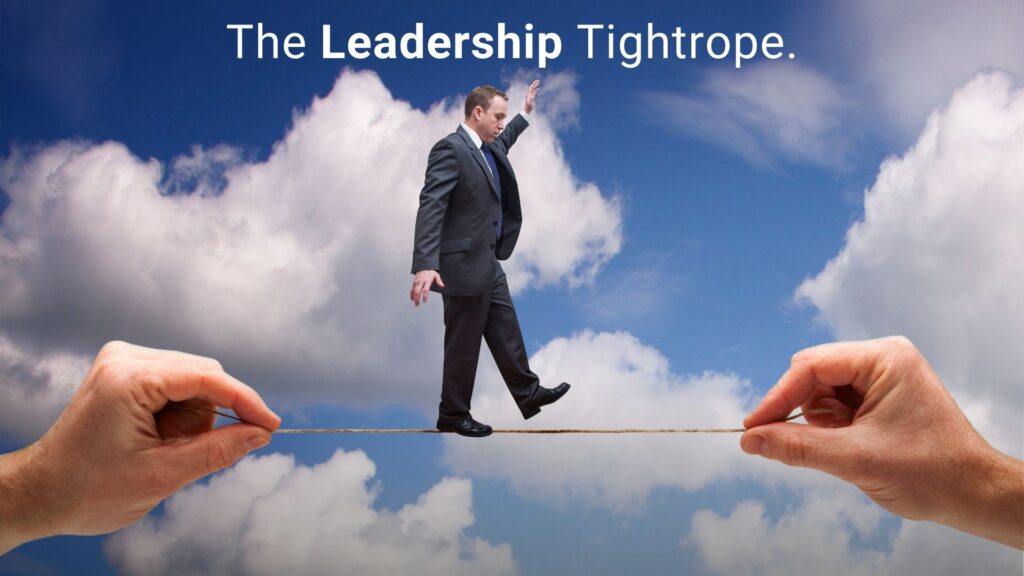
Stretch is essential. Without it, people stagnate. But strain is toxic. The real leadership challenge lies in spotting the difference.
That means asking sharper questions:
- Does this challenge energise or exhaust?
- Is the employee growing, or just grinding?
- Are we providing resources and coaching, or just adding tasks?
- And maybe most telling, would we take on this assignment ourselves, knowing our own limits?
A Quick Nuance: Not Everyone Wants the “Next Big Thing”
Here’s something many leaders overlook: ambition doesn’t look the same for everyone.
Some employees thrive on high-stakes stretch assignments. Others build their best careers through mastery, going deeper, not broader. Forcing everyone into the same “stretch” box isn’t development. It’s lazy leadership.
For example, some people grow when stabilising a chaotic process. Others grow when they’re asked to innovate and disrupt. Both are valid forms of stretch. The key is recognising that growth doesn’t always mean climbing higher; sometimes it means digging deeper.
Practical Ways to Spot Stretch vs. Strain
Here are a few telltale signs leaders can notice if they’re paying attention:
- Stretch: Employees ask curious questions, seek feedback, and show visible energy, even when the work is challenging.
- Strain: Employees withdraw, avoid eye contact, or talk more about being “overwhelmed” than “motivated.”
And here’s a simple framework that works:
- Stretch = Challenge + Energy + Support
- Strain = Challenge + Exhaustion – Support
Not complicated, but it requires attentiveness.
Why Organisations Should Care Deeply About This
Because a stretch gone wrong doesn’t just impact individuals, it corrodes culture.
If “stretch” is perceived as code for “sink or swim,” employees stop volunteering for growth opportunities. Development becomes a dreaded word, not a motivator. Engagement slips. High-potentials quietly leave.
But when stretch is done right, when it connects with people’s natural strengths, it builds a virtuous cycle. Employees lean in, not away. Development becomes a magnet, not a burden.
This is where strengths-based leadership provides real value. It gives leaders a practical lens for designing challenges that stretch without breaking. That’s not soft talk, it’s risk management for talent.
Stretch That Works, Strain That Doesn’t
Consider two quick scenarios.
- Scenario A: A manager asks a young analyst to lead a cross-functional project. The analyst thrives on communication and teamwork. The project is messy, but the energy of collaboration fuels it. Stressful? Yes. But they grow.
- Scenario B: Same analyst, same manager. This time, they’re tasked with building a reporting system, alone, with little context. No collaboration, no feedback. They push through, but every hour feels heavier. That’s strain.
The difference isn’t the workload. It’s whether the work taps into strengths or drains them.
So, What Should Leaders Do?
If there’s one takeaway, it’s this: stretch should be hard, but it should never feel hopeless.
Here are three practical actions:
- Know strengths. Through assessments, conversations, or simply pattern-spotting, figure out what energises your people.
- Frame stretch as experiments. Not pass/fail, but learn/grow. That reduces fear and builds resilience.
- Check in often. Don’t wait for reviews. Ask how people are feeling, not just how they’re performing.
A Closing Thought
Growth shouldn’t mean pushing people to the brink and hoping they survive. It should mean creating conditions where challenge feels like possibility, not punishment.
Stretch grows people. Strain breaks them. The line between the two isn’t always obvious, but organisations that understand their people’s strengths and care enough to pay attention can tell the difference.
And when they get it right? Employees don’t just perform. They thrive.