


You’ve spotted them. The sharp thinkers. The ones who carry extra weight without being asked. The people who make you say, “They’re going to lead someday.”
But here’s the puzzle: many of those “future leaders” never stay long enough to actually lead. They leave, sometimes quietly, sometimes dramatically, and organisations are left wondering how such potential slipped away.
It’s not usually about money. It’s not always about the title. More often, it’s about the gap between recognising high-potential talent and actually coaching them for what comes next.
Recognition is Not Enough
Let’s be honest. Spotting potential is the easy part. Leaders see someone who’s fast, reliable, maybe a little hungrier than the rest. They add them to the “future leader” list. That feels good, like the organisation has done its part.
But recognition without development is like promising someone a seat at the table and then never pulling out the chair. Over time, that unspoken contract frays. The promise feels hollow. And the very people meant to carry the organisation forward start carrying resentment instead.
The Subtle Gap Between “You’re Great” and “Here’s How You’ll Grow”

Here’s the thing: high potentials rarely leave because they don’t believe in themselves. They leave because they stop believing the organisation sees them beyond the label.
Telling someone they’re “leadership material” without coaching them for leadership is like telling a runner they’re Olympic-ready without offering a coach, a track, or even running shoes.
The gap isn’t about recognition, it’s about what comes after.
What High Potentials Secretly Expect (But Rarely Voice)
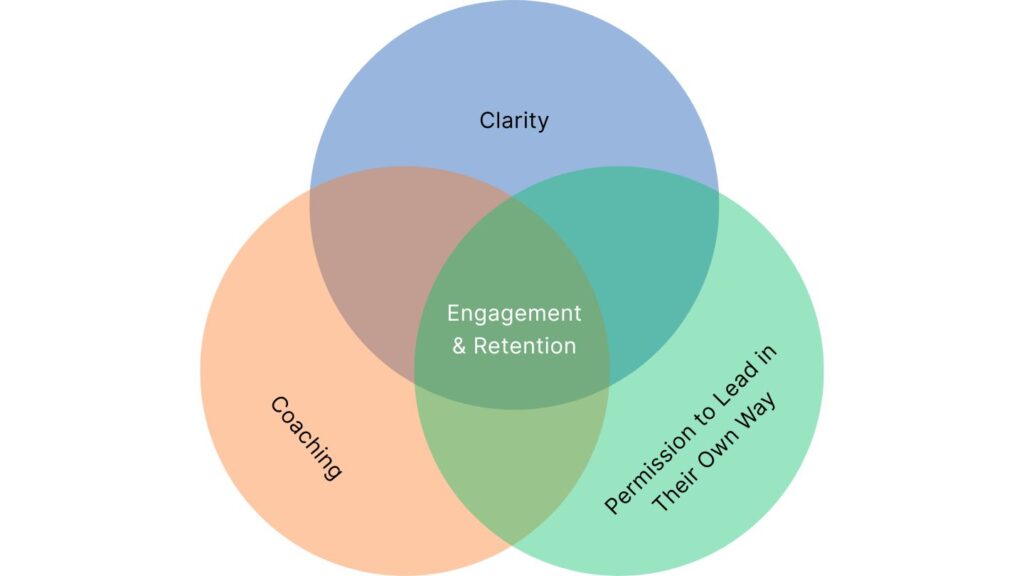
If you listen closely, most high-potential employees want three things:
- Clarity on the path ahead. Not a 10-year blueprint, but at least the next few steps.
- Real coaching, not just evaluation. They don’t need more performance reviews; they need conversations that shape their leadership identity.
- Permission to lead in their own way. This is where strengths-based leadership quietly enters. When people are coached to lean into their natural strengths instead of copying someone else’s style, they build confidence and resilience that keeps them anchored through the messy middle years.
Miss those cues, and you’ll see disengagement creep in, even in your brightest talent.
The Cost of Waiting Too Long
Here’s a sobering thought: by the time most organisations realise a high-potential employee is disengaged, it’s already too late. Resignation letters are often written weeks before they’re submitted.
Think of it like soil erosion. It doesn’t happen overnight, but every unfulfilled promise, every vague coaching session, every “not yet” slowly washes away commitment. Eventually, there’s nothing left to hold them.
The cost isn’t just recruitment. It’s lost continuity, lost innovation, and lost morale. Because when one high-potential employee leaves, others take note.
The Illusion of Coaching That Ticks the Box
Many organisations think they’re coaching high-potential talent because programs exist on paper. There’s a leadership pipeline initiative, maybe a mentoring scheme, maybe a few off-site workshops.
But here’s the uncomfortable truth: coaching that ticks the box is often worse than no coaching at all. Why? Because it raises expectations without delivering depth. It signals, “We care about you,” while offering little that changes the day-to-day experience.
The result? Cynicism. And cynicism spreads faster than inspiration.
What Real Coaching Looks Like
So what does real coaching for high-potential talent actually look like?
It’s not about giving them more to do. They already take on more than most. It’s about:
- Context, not just content. Helping them understand why leadership requires a different lens, not just more output.
- Feedback that builds identity. Going beyond “you’re doing well” to “here’s how your natural way of thinking helps you lead in complex situations.”
- Exposure to ambiguity. Leadership is messy. Safe trials, stretch assignments, shadowing leaders, and navigating uncertainty with support prepare them for what’s ahead.
Done well, coaching feels less like management and more like a partnership. It’s about walking alongside, not pulling from the front or pushing from behind.
Strengths as Anchors
Here’s where strengths-based leadership makes a quiet but powerful difference. Instead of shaping high-potential employees into carbon copies of existing leaders, it asks: What’s uniquely strong about this person?
One leader might bring calm in chaos. Another might see patterns no one else notices. Another might build trust in seconds. Coaching through strengths acknowledges these differences, strengthens them, and ensures future leaders don’t burn out trying to fit a mould.
Because when people are asked to lead like someone else, they feel small. When they’re asked to lead like themselves, they feel seen.
The Human Side of Retention
Strip away the jargon, and it comes down to this: high-potential talent want to feel invested in. They want to sense that the organisation’s commitment goes beyond labels and into action.
Retention isn’t a contract, it’s a relationship. And like any relationship, it thrives on clarity, consistency, and care. Miss one of those, and the cracks appear.
So, Why Do Future Leaders Leave Before They Lead?
Because recognition without coaching feels empty. Because a label without growth feels limiting. And because organisations wait until tomorrow to invest, while high-potential employees are making decisions today.
The lesson is clear: spotting talent is only the starting line. Coaching them patiently, personally, and through strengths, is the only way those future leaders will stay long enough to become actual leaders.
And maybe the more radical idea? Coaching high-potential talent shouldn’t be a privilege reserved for a select few. When organisations normalise coaching conversations across all levels, future leaders don’t just emerge, they flourish.