
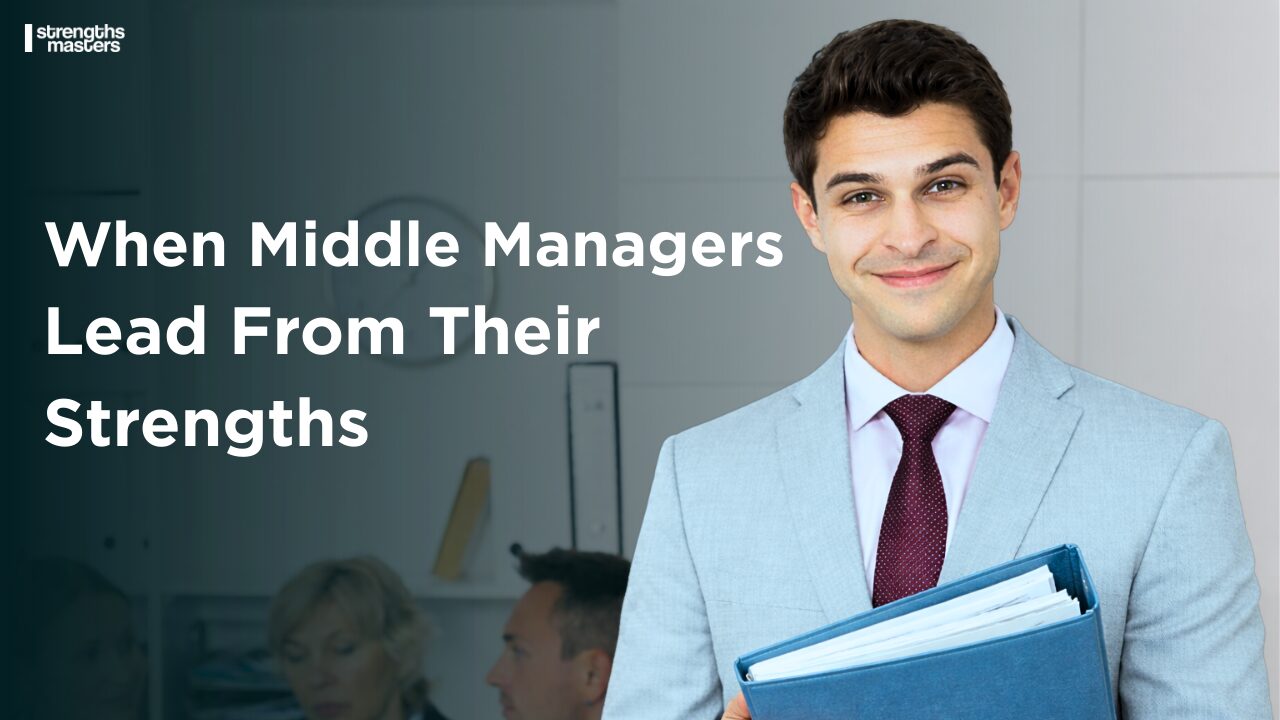
Middle-level managers are the engine room of any organisation. Strategy may be crafted at the top, but it comes alive or fades in the middle.
This layer of leadership doesn’t just manage tasks. It converts ambition into execution. It turns plans into progress. And when middle managers operate with clarity about how they naturally lead, something powerful happens: performance doesn’t just continue, it stabilises and accelerates.
The conversation, therefore, is not about fixing managers. It is about strengthening what already works within them.
When organisations support middle managers in understanding their natural leadership patterns, decision-making becomes sharper, energy becomes steadier, and influence becomes more intentional.
The Strategic Power of the Middle Layer
Middle managers are uniquely positioned. They understand the operational ground reality, yet they also interpret executive direction. They sit where complexity meets accountability.
And this is precisely why their leadership impact is outsized.
They influence:
- How strategy is understood at the team level
- Whether performance pressure feels motivating or overwhelming
- How cross-functional friction is resolved
- Whether employees experience fairness in evaluation
- How culture is practised daily
When middle managers lead with behavioural clarity, teams feel direction. When they operate with confidence, ambiguity reduces. When they are steady, organisations feel stable.
This is not a minor lever. It is structural.
Effectiveness Has Many Faces, And That’s a Strength
One of the most encouraging realities about leadership is this: effectiveness does not look identical.
Some middle managers create momentum through disciplined execution.
Others energise teams through visible influence.
Some build deep trust that sustains collaboration.
Others bring strategic foresight that prevents disruption.
All of these patterns create value.
The key is not uniformity. It is awareness.
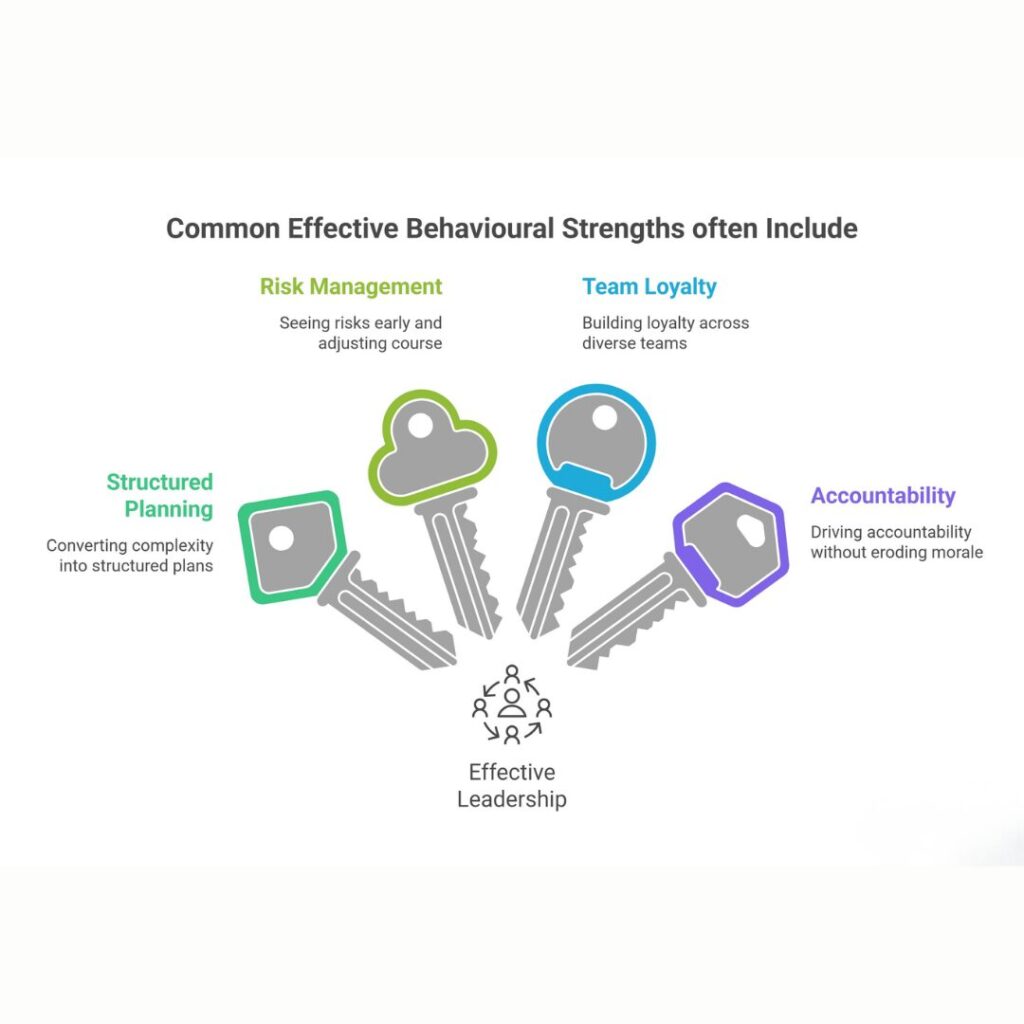
Common effective behavioural strengths often include:
- Converting complexity into structured plans
- Seeing risks early and adjusting course
- Building loyalty across diverse teams
- Driving accountability without eroding morale
When managers recognise which of these patterns feels natural to them, leadership becomes more fluid. Effort reduces. Impact increases.
That shift is energising, not exhausting.
The Real Work of Middle Managers (And Why It Matters)
The daily landscape of a middle manager is dynamic. They calibrate performance, resolve tensions, coordinate across departments, and support talent growth often within the same afternoon.
Their work includes:
- Interpreting strategy for operational clarity
- Reviewing performance trends
- Coaching team members
- Managing underperformance constructively
- Collaborating across verticals
- Maintaining delivery timelines
These are not mechanical tasks. They require judgment, emotional balance, and perspective.
Three recurring leadership tensions often shape this role:
- Delivering results while safeguarding team energy
- Responding to executive urgency without creating instability
- Encouraging accountability without diminishing trust
Handled well, these tensions sharpen leadership maturity. And when managers operate from their strengths, these situations feel like challenges to manage, not burdens to survive.
Moving Beyond Skill Accumulation
Many leadership development programs for managers introduce advanced tools and frameworks. Those tools matter. But tools are most powerful when applied through natural capability.
The strengths philosophy introduced by Don Clifton emphasised a simple but profound idea: growth accelerates when development builds on recurring patterns of talent.
When middle managers understand how they naturally:
- Execute
- Influence
- Build relationships
- Think strategically
They apply new skills with greater confidence and authenticity.
Leadership stops feeling like performance. It starts feeling like precision.
And precision builds credibility.
Turning Performance Reviews into Strategic Insight
Performance reviews are often viewed as annual milestones. Yet when analysed across multiple cycles, they reveal leadership consistency as one of the strongest indicators of long-term potential.
High-performing middle managers typically demonstrate:
- Reliable delivery across business cycles
- Expanding capability year over year
- Ownership beyond defined responsibilities
- The ability to stabilise teams during change
Managers practising a strengths-based approach at work identify these patterns more clearly. They distinguish between short-term achievement and sustainable leadership behaviour.
That clarity strengthens succession pipelines and improves talent development strategy across the organisation.
Creating Fair and Energising Evaluation Systems
When evaluation criteria are vague, managers compensate with personal interpretation. When criteria are clear, decisions feel fairer, and confidence increases across teams.
Organisations embedding strengths-based leadership for organizations often clarify observable standards such as:
- What does mature accountability look like behaviourally?
- How is cross-functional collaboration demonstrated?
- What signals readiness for a broader scope?
This behavioural clarity does more than reduce bias. It builds trust. And trust amplifies engagement.
A Balanced View of Leadership Readiness
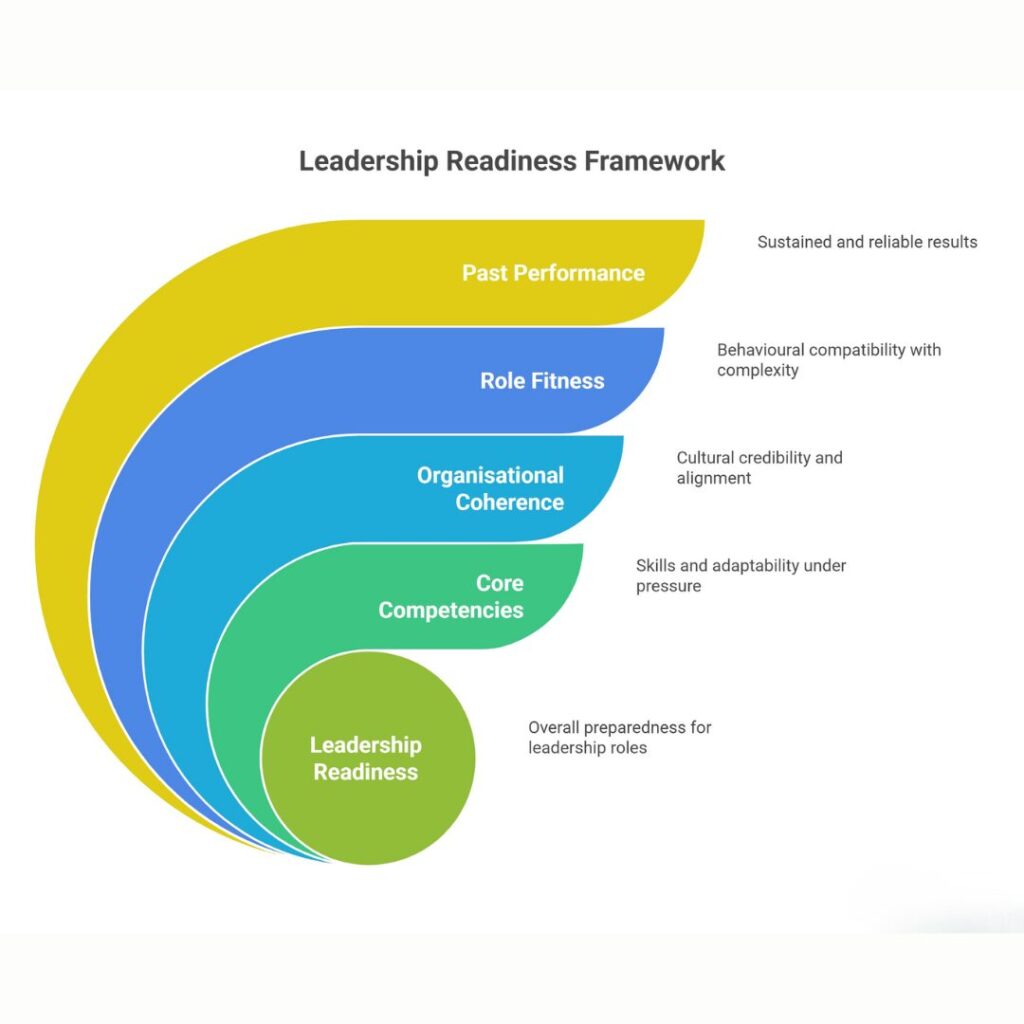
When middle managers are considered for expanded roles, structured evaluation enhances objectivity and confidence.
A balanced readiness model typically considers:
- Past Performance – Sustained and reliable results
- Role Fitness – Behavioural compatibility with expanded complexity
- Organisational Coherence – Cultural credibility
- Core Competencies – Depth and adaptability
When interpreted through strengths awareness, these categories become sharper. Managers evaluate potential through evidence rather than intuition alone.
That improves long-term leadership capacity.
Strengths as a Source of Sustainable Energy
There is growing discussion around managerial fatigue. Yet one powerful insight often goes unaddressed: energy increases when work reflects natural strengths.
When middle managers lead through their dominant behavioural domains:
- Decision-making feels clearer
- Delegation becomes strategic
- Difficult conversations feel manageable.
- Engagement deepens
- Confidence stabilises
This is not about working less. It is about working in rhythm with one’s natural leadership pattern.
Strengths-based development programs, including those facilitated within communities such as Strengths Masters, centre on this clarity. The objective is not motivational uplift; it is sustainable effectiveness.
And sustainable effectiveness compounds.
The Organisational Advantage
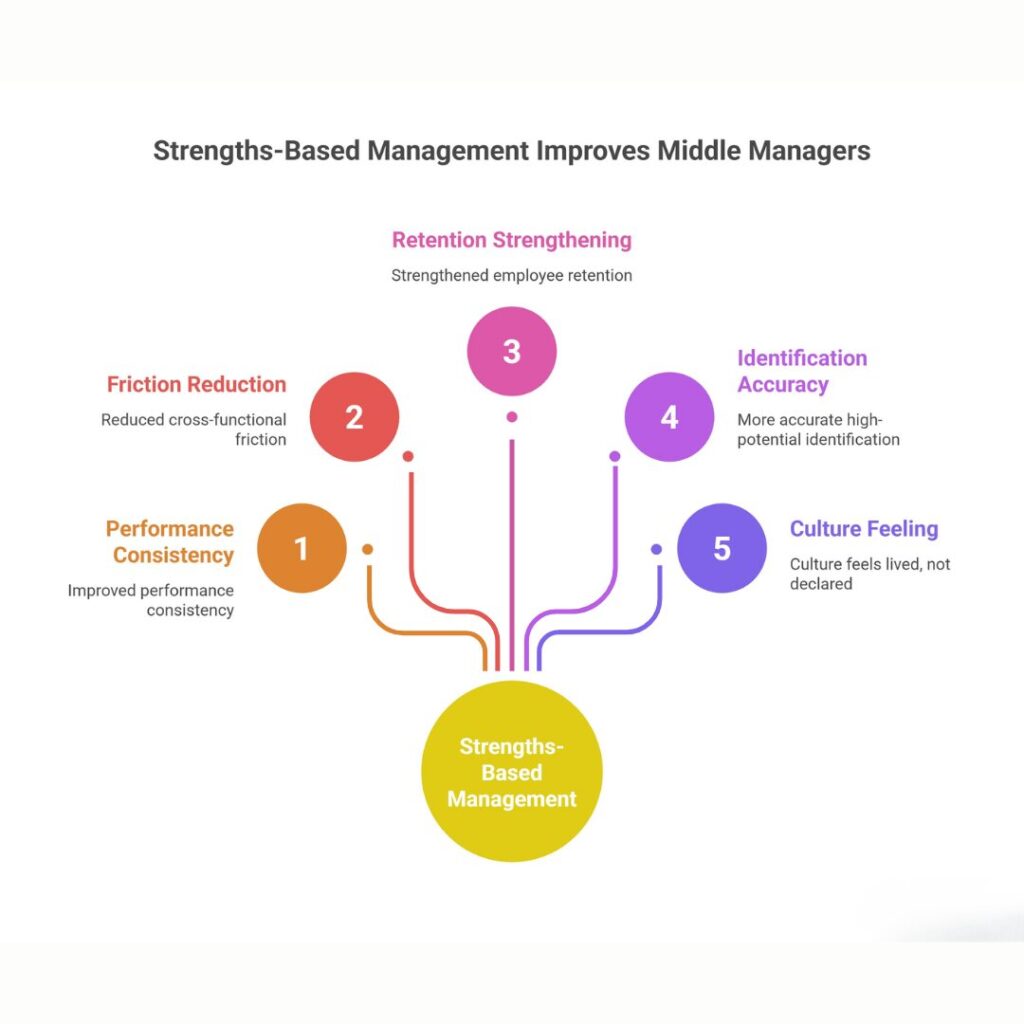
When middle managers operate from strengths:
- Performance consistency improves
- Cross-functional friction reduces
- Retention strengthens
- High-potential identification becomes more accurate.
- Culture feels lived, not declared.
This layer of leadership becomes more than operational support. It becomes strategic infrastructure.
And that is energising for managers, for teams, and for the enterprise itself.
Middle managers do not need reinvention. They need recognition of what already works within them.
When leadership is grounded in strengths, stability follows.
And when stability meets clarity, performance accelerates.
That is not idealism.
It is disciplined, confident leadership in action.